


The most interesting buildings are no longer defined by their architecture alone. They’re defined by what happens inside them. And it’s changing the way we think about marketing commercial property.
A commercial building is no longer simply an address. Increasingly, it’s a brand in its own right, with a personality, an audience and a distinct place within the wider cultural landscape. Consider the difference between promoting a building with a state-of-the-art fitness centre and telling the stories of the people who use it. Or between announcing a new restaurant opening and introducing the chefs, the food and the experiences that make it worth visiting.
One communicates a feature. The other gives people a reason to care.
This distinction sits at the heart of effective property social media marketing.
The most compelling commercial destinations have something in common: they understand that their value extends beyond the physical space. The challenge is translating that value into content that people genuinely want to engage with. And that requires a fundamentally different approach to traditional property marketing.
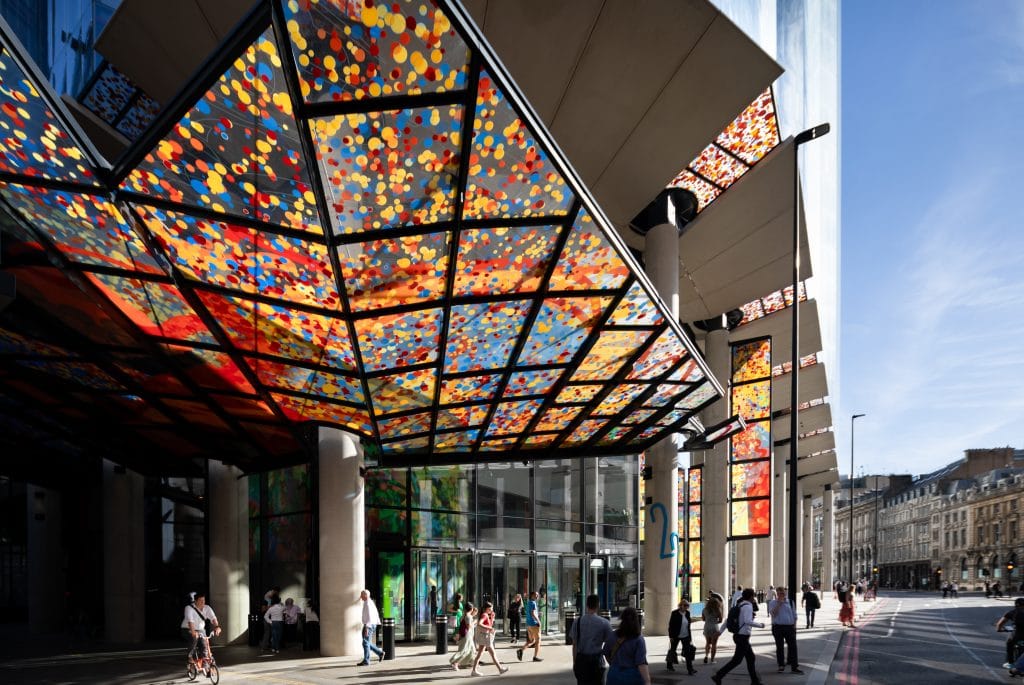
From Buildings to Brands
For decades, commercial property marketing followed a familiar formula: impressive architecture, polished interior photography, a comprehensive list of amenities and a location worth talking about. The building was the product, and its physical attributes were the selling points.
But the modern workplace has become something far more complex.
As businesses reconsider what they want from their offices, landlords and developers are increasingly tasked with selling something beyond square footage. They’re selling experiences, communities, culture and, perhaps most importantly, a reason for people to want to be there. The implications for commercial property marketing are significant. And social media has become one of the most powerful places to communicate this shift.
22 Bishopsgate: A Building With More Than One Story
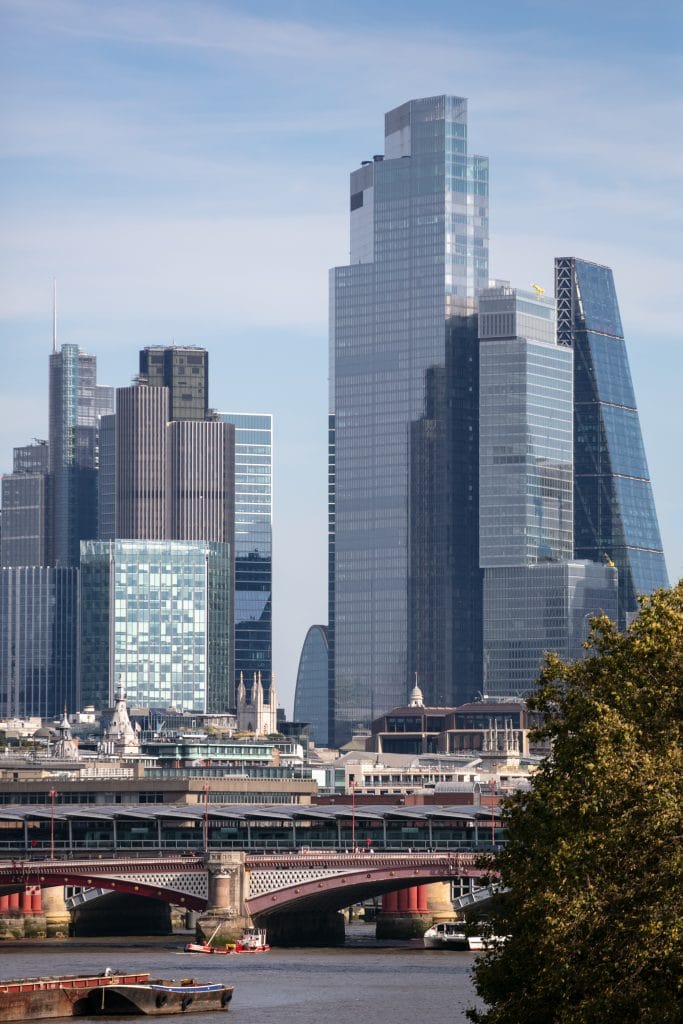
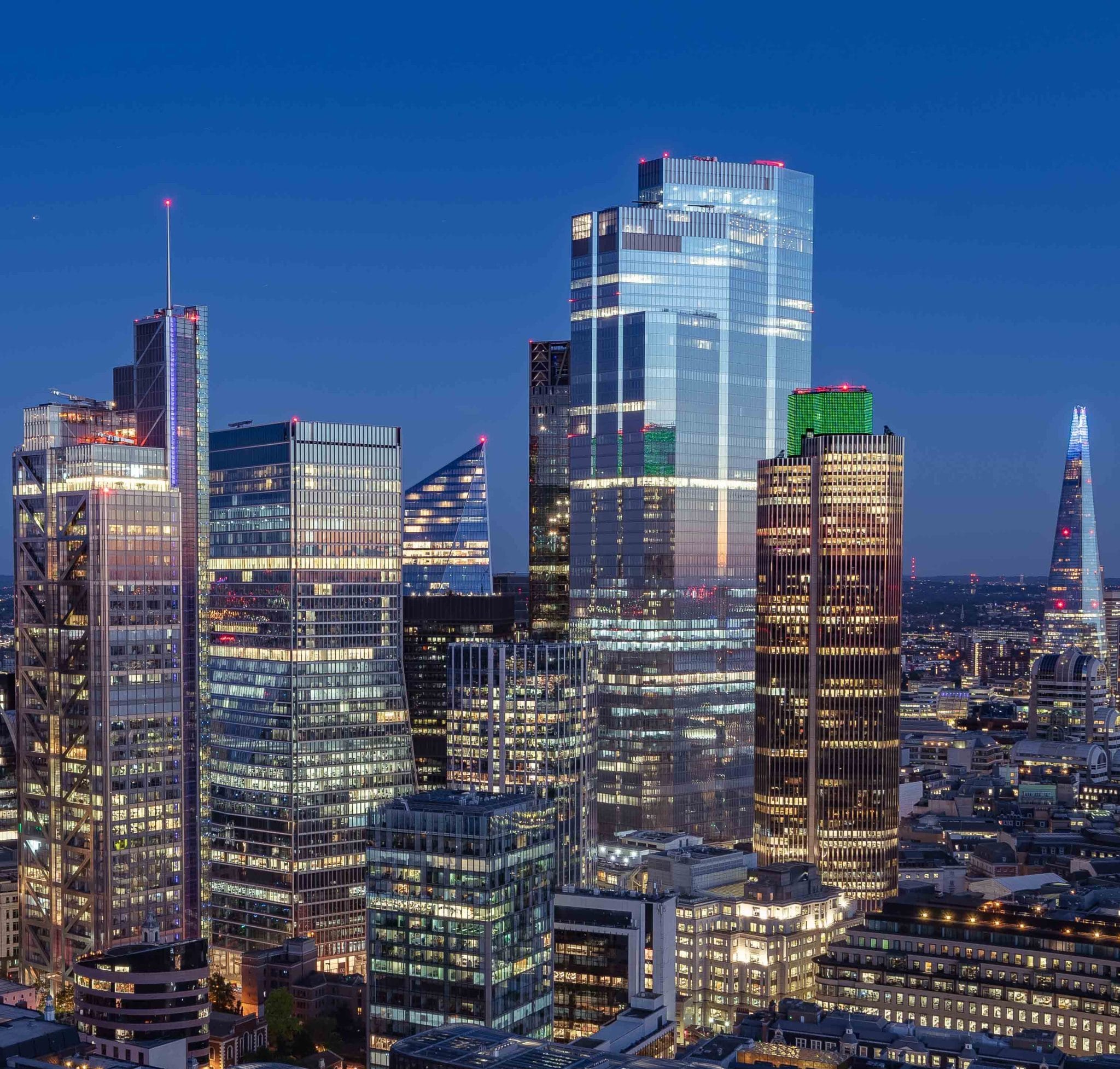
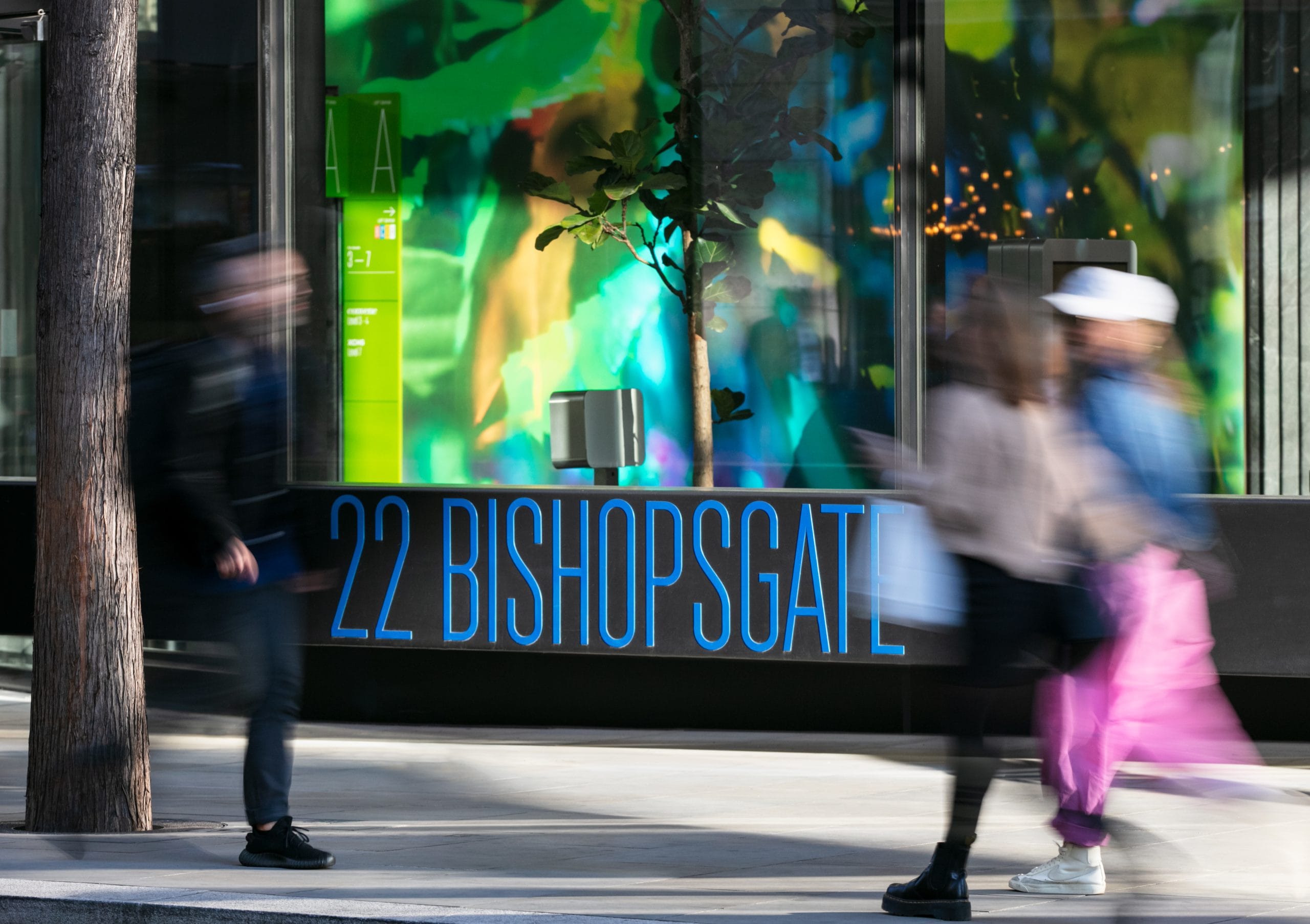
For the past six years, Holst Andrews Social has worked with 22 Bishopsgate, one of London’s most recognisable commercial landmarks.
Standing 278 metres above the City of London, the building is an architectural statement in its own right. But what makes 22 Bishopsgate particularly interesting from a marketing perspective is everything happening beyond its exterior.
Home to a diverse community of businesses and thousands of people, the building brings together hospitality, wellness, art, culture and workplace experiences under one roof.
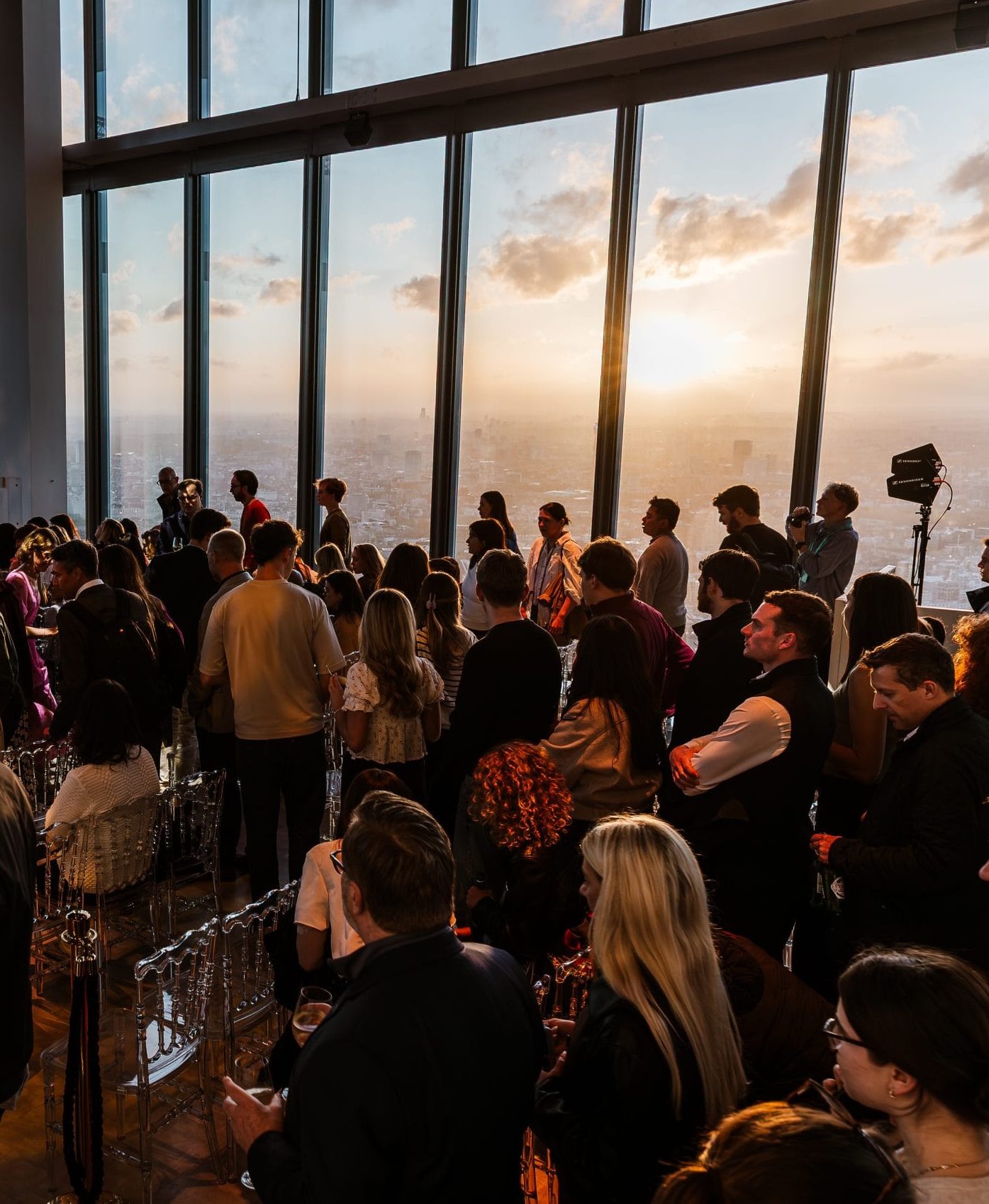
Its offering includes restaurants, fitness facilities, collaborative workspaces, cultural programming and Horizon 22, Europe’s highest free public viewing gallery.
In other words, it’s not simply an office building. It’s an entire ecosystem.
For us, the creative opportunity has always been to communicate that complexity in a way that feels engaging, accessible and relevant.
Rather than treating the building as a static asset, our approach has been to document it as a living, evolving destination.
The people who work there. The businesses shaping its culture. The conversations taking place behind its doors. The experiences that make an ordinary working day a little less ordinary.
Because while the architecture might capture someone’s attention, it’s the life inside that gives the building its identity.
Why Commercial Property Needs an Editorial Mindset
One of the biggest mistakes brands make on social media is assuming that everything they publish needs to promote something.
An event announcement. A new amenity. A leasing milestone. Another photograph of the lobby. All have their place, but a constant stream of promotional content rarely gives an audience much reason to return.
We believe the strongest commercial property brands should approach social media more like publishers. That means developing an editorial point of view, identifying recurring stories and understanding what an audience might find interesting even when there’s nothing immediately being sold.
At 22 Bishopsgate, this philosophy allows us to explore subjects that extend well beyond the building itself: workplace culture, hospitality, wellbeing, innovation and the changing relationship between people and their offices. These are topics with relevance beyond an individual address, but which connect naturally to what the building represents.
The result is a social media presence that can participate in wider conversations rather than simply broadcasting building updates.
The People Are the Story
Architecture can establish a building’s identity, but people give it personality.
Some of the strongest storytelling opportunities in commercial property are often the most overlooked: the individuals who make the place function, the businesses that occupy it, and the communities that develop within it.
At 22 Bishopsgate, this might mean going behind the scenes with a hospitality team, introducing the people responsible for the building’s day-to-day operations, or exploring the ideas and perspectives of those working within its walls. These stories humanise an environment that might otherwise feel corporate or inaccessible.
They also offer something that polished architectural photography cannot: a sense of what it actually feels like to be there.
For potential occupiers, this helps communicate the experience behind the proposition. For existing occupiers, it creates opportunities for recognition, participation and connection. And for a wider audience, it makes a building worth following, regardless of whether they work there.
Social Media as a Commercial Asset
None of this means abandoning the commercial objectives of property marketing. Quite the opposite.
A well-developed social media presence can support leasing, strengthen occupier relationships, raise awareness of amenities and help position a building within a competitive market. But its commercial value isn’t necessarily measured by how frequently it promotes available space.
It’s built through the cumulative effect of a recognisable brand, consistent communication and a compelling picture of life within the property.
When a prospective occupier encounters a building online, social media offers something a traditional leasing brochure cannot: an ongoing, real-time perspective on the environment they’re considering joining. The content becomes evidence of the experience.
And when that content is thoughtfully planned, creatively executed and grounded in what makes the destination distinctive, social media can become a meaningful part of the wider commercial strategy.
The Future of Property Marketing Is Human
The commercial property sector has spent decades perfecting the art of showcasing buildings. Now, the opportunity is to become equally good at showcasing what happens inside them.
That doesn’t mean abandoning beautiful architecture or sophisticated visual production. Both remain important, particularly in a sector where design and presentation carry considerable weight. It means understanding that an impressive building and an interesting brand are not necessarily the same thing.
One is built through architecture. The other is built through identity, culture, experience and storytelling. As workplaces continue to evolve, the buildings that communicate these qualities most effectively will be better positioned to distinguish themselves.
Because ultimately, people don’t connect with square footage. They connect with people, places and experiences that mean something to them.
And that’s where the most interesting stories begin.
Holst Andrews Social is a London-based creative social media agency specialising in brands at the intersection of culture, hospitality and place. We work with commercial property, destinations and lifestyle brands to develop distinctive social media strategies, editorial content and creative campaigns that connect businesses with their audiences.